

Duration
6 Days
Max Altitude
11755 ft
Difficulty
Easy
Trek Distance
44 km
Pickup Point
Delhi
Best Time
May to Oct
Do Dham Yatra
About Us
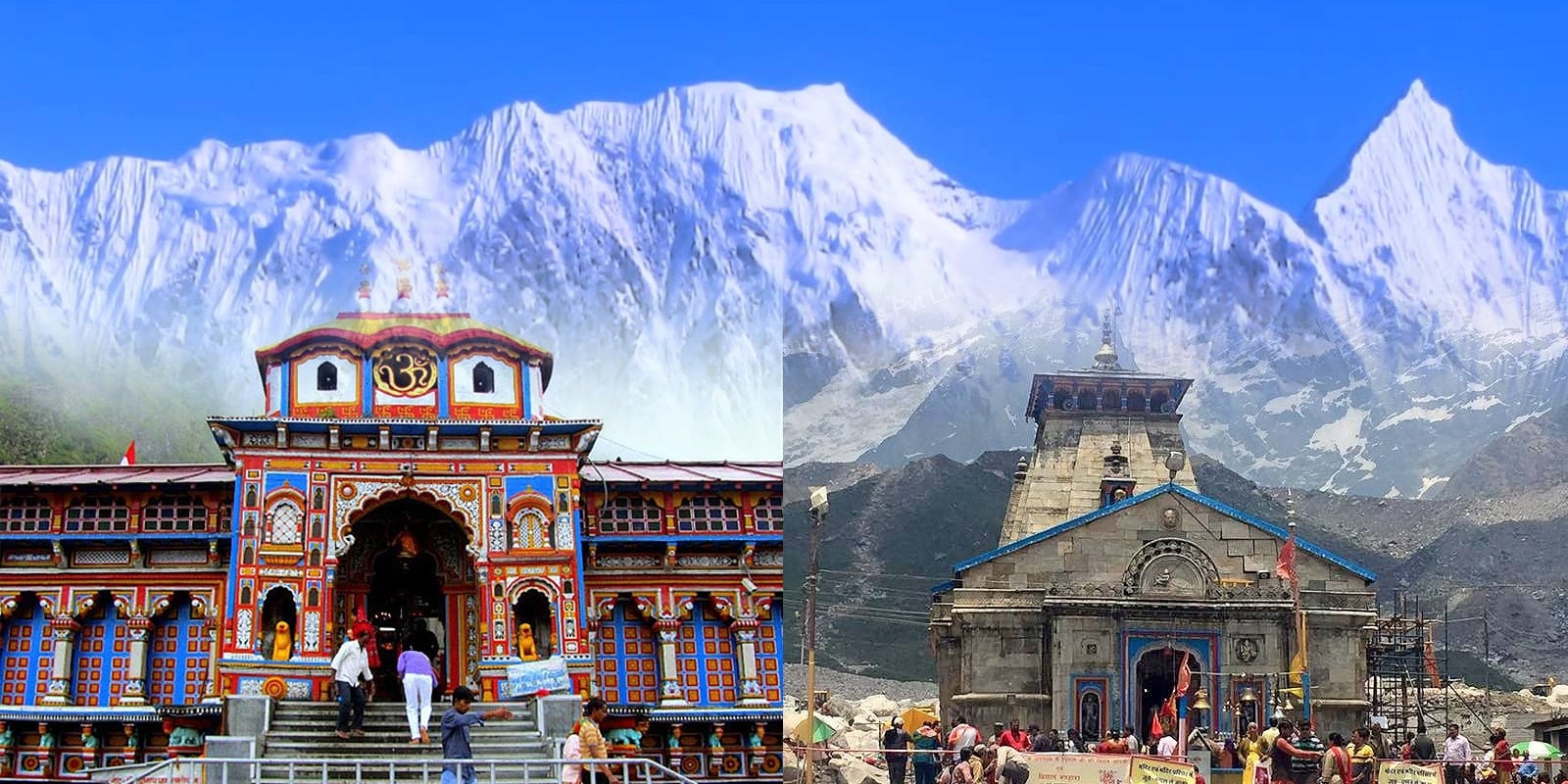
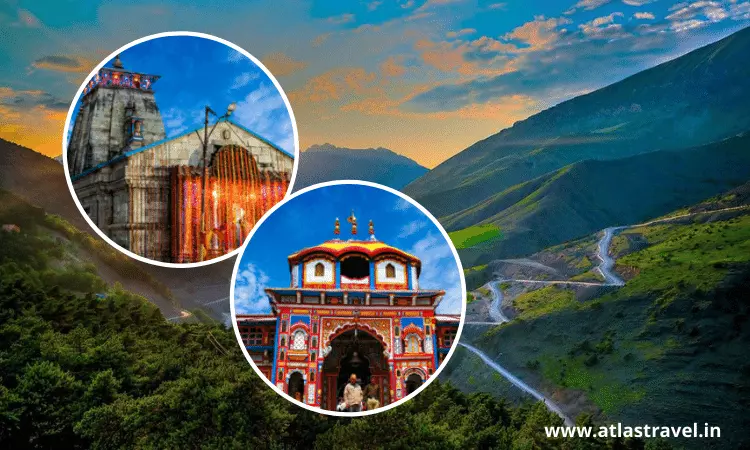
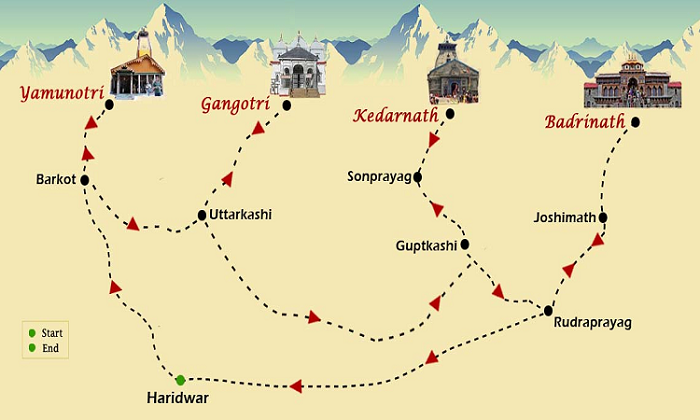
The Do Dham Yatra is a pilgrimage journey to two sacred Hindu shrines among the Char Dham sites in the Uttarakhand region of India. The most common combinations for the Do Dham Yatra are Badrinath and Kedarnath.
The Badrinath Temple is dedicated to the Lord Vishnu who is one of the 108 Divya Desams mentioned in ancient Hindu scriptures. It is located in a height of 3,133 meters (10,279 feet) in the Garhwal Himalayas along the Alaknanda River, Badrinath is considered one of the holiest places where Lord Vishnu meditated as Badrinarayan. Adi Shankaracharya is believed to have discovered the idol of Lord Badrinath from the Alaknanda River and established it in the temple. Open for approximately six months each year, from late April or early May to early November, the temple’s closing date usually coincides with Diwali.
Pilgrims often visit Badrinath after other Char Dham sites, such as Yamunotri, Gangotri, and Kedarnath, as part of the Char Dham Yatra. Nearby attractions include Mana Village, the last inhabited village before the border with Tibet, known for its scenic beauty and cultural significance, and Vyas Gufa, a cave where Sage Vyas is believed to have composed the Mahabharata. Majestic snow-clad peaks, including Nilkantha, Nar Parvat, and Neelkanth, surround Badrinath.
Best Time to Visit Do Dham Yatra
1.May to June: This period marks the peak summer season when the weather is conducive to travel, making it the best time for Do Dham Yatra. Both Badrinath and Kedarnath are accessible during these months, with moderate temperatures, enhancing the comfort level for pilgrims embarking on the Do Dham Yatra.
2.September to October: This is the favorable post-monsoon period for the Do Dham Yatra package, particularly for Badrinath and Kedarnath. The weather is more apparent, and the Himalayan landscapes are stunningly lush, making it an ideal time for those seeking spiritual and scenic experiences during their Do Dham Yatra itinerary.
3.It is crucial to avoid the winter months from November to April, as heavy snowfall and extreme cold can make the routes to the Do Dham Yatra sites inaccessible and hazardous. Similarly, the monsoon season from July to August should be avoided because of the more significant dangers of landslides and heavy rainfall.
Always check the latest Do Dham Yatra weather updates, road conditions, and the operational status of the pilgrimage sites before planning your journey. Consulting local authorities or travel experts is advisable for a safe and well-planned pilgrimage.
Difficulty Level of Do Dham Yatra :
The difficulty level of the Do Dham Yatra varies depending on the combination of shrines visited, particularly Badrinath and Kedarnath, and the mode of transportation used.
Trekking Involvement: Trekking routes like those to Kedarnath significantly increase difficulty. The mountainous terrain demands good physical condition and preparedness for uphill climbs at varying altitudes.
Altitude and Weather: The pilgrimage sites’ high altitudes pose risks of altitude sickness. Weather factors like heavy rains or snowfall further influence the Do Dham Yatra’s difficulty level.
Road Conditions: The journey involves traversing roads that may feature challenging terrains, narrow paths, or sharp bends, adding to the complexity of the pilgrimage.
Accommodation and Facilities: The availability and quality of accommodations and basic amenities along the route impact the ease of the pilgrimage. Better facilities can enhance comfort, influencing the overall Do Dham Yatra experience.
Seasonal Considerations: Choosing the right time for the pilgrimage, such as avoiding winter and monsoon seasons, is crucial due to potential snow, cold, or landslide risks.
How to Prepare for Do Dham Yatra
Physical Fitness: Be in good health before your journey. Regularly engage in strength and cardiovascular training to prepare for the Do Dham Yatra’s physical demands, especially if trekking to Kedarnath is involved.
Acclimatization: Gradually acclimatize to the high altitudes of Badrinath and Kedarnath to avoid altitude sickness. Allow your body to adjust by spending a few days at intermediate elevations
Safety Factors for Do Dham Yatra
To prepare for the Trek there are few things that one has to keep in mind in order to have a safe and fantastic trek.
Safety Gear: Utilize safety gear like trekking poles, sturdy footwear, and headlamps for better visibility during early morning or late evening treks.
Cultural Sensitivity: Respect the local customs and follow guidelines for behavior at sacred sites.
Environmental Considerations: Practice responsible trekking by minimizing environmental impact. Ensure all waste is correctly disposed of.
Day1 : Departure from Delhi
On Day 1, your journey begins with a meeting at 9 PM at Kashmiri Gate, where our representative will greet you and assist you in boarding the comfortable traveler vehicle. As you settle in for the overnight drive, enjoy the camaraderie of fellow travelers as you embark on this spiritual adventure to Haridwar. The distance from Delhi to Guptkashi is approximately 223 km, and the journey will take about 4-5 hours overnight.
Day2 : Haridwar to Guptkashi
Your journey begins with a hearty breakfast, setting the stage for an adventurous day. Guptkashi, known as “Hidden Benaras,” is our destination. According to legend, this is where Lord Shiva concealed himself from the Pandavas. The area enjoys pleasant summers, rarely exceeding 30 degrees, but winter brings a chill. As we travel through Devprayag and Rudraprayag, you’ll be treated to breathtaking views of the Alaknanda and Mandakini rivers. The Mandakini, which originates from Kedarnath, adds to the spiritual ambiance of our route. We will stop at the Ardh Narishwar temple in Guptkashi to immerse ourselves in local spirituality before checking into our hotel and preparing for tomorrow’s adventure.
Day3 : Guptkashi to Kedarnath
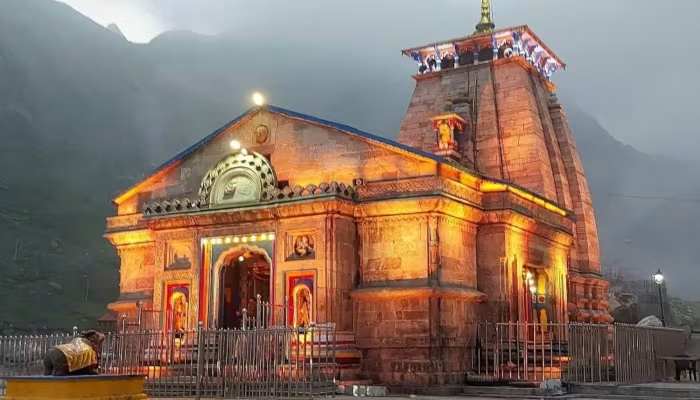
Today, we embark on a pivotal part of our Chardham trip, heading to Kedarnath, an iconic pilgrimage site where Lord Shiva granted redemption to the Pandavas after the Kurukshetra war. The shrine, nestled in the majestic Kedarnath mountain range, is located at 3,583 meters. Prepare for cool weather; even summers require light to semi-heavy clothing, while winters can be icy. You can choose between a quicker helicopter ride (not included) or a scenic trek. After a drive to Sonprayag and a local jeep to Gaurikund, we’ll start our trek to Kedarnath. After visiting the shrine and soaking in the spiritual atmosphere, we’ll retire to our hotel for the night.
Day4 : Guptkashi to Badrinath
Today, we head to Badrinath, the final stop on our Chardham journey. After a fulfilling breakfast, we’ll drive directly to Badrinath and check into our hotel upon arrival. The average temperature here ranges from 8 to 18 degrees, so be sure to wear extra layers. A significant ritual includes bathing in Taptkund, visiting the Badrivishal shrine, and participating in the evening aarti. Additionally, explore nearby sites like the Saraswati river mouth, Bhimkund, Matamoorti, Vyas Gufa (where Ved Vyas is said to have authored the Mahabharata), and Mana village, which is about 3 to 5 kilometers away. After a spiritually enriching day, we’ll stay overnight.
Day5 : Badrinath to Rishikesh
We begin the day with breakfast and freshening up before setting off for Rishikesh, often referred to as the yoga capital of the world. Nestled between the Shivalik range and the Ganges, Rishikesh offers profound spiritual vibes. After checking into a hotel, take time to explore, visiting Laxman Jhula and local temples. Later, we’ll drive to Haridwar, bringing our memorable Chardham journey to a close.
Inclusions and Exclusions
Exclusions
- Free Jacket or Rucksack if Opted Offer Package
- Transportation from Shimla to Shimla on sharing basis.
- Meals Include from Day 1 Dinner to Last Day Breakfast. It Will Be Mostly Vegetarian (Including Bed Tea, Breakfast, Lunch, Evening Tea, and Dinner).
- Accommodation on Double/Triple Sharing in Alpine/Dome Camps and Premium Stay at Sankri (Dormitory Sharing).
- FREE Customized Printed Travel Card Worth Rs.500, Delivery to Home Address Post Trek Completion.
- Transportation from Delhi to Delhi.
- All tolls, taxes, parking fees, and driver's allowances are included.
Exclusions
- Anything not mentioned in the inclusions
- Any personal trekking gear (like pole, shoes, gloves, warm cap, bag, jacket etc).
- Expenses resulting from landslides, inclement weather, road closures, or other unanticipated events.
- Helicopter Tickets to Kedarnath.
- If the weather becomes bad or you start feeling unwell during the trip, rescue or emergency help will be arranged for your safety. However, please note that all the expenses or charges for such rescue or medical assistance will have to be paid by you.
Packing List
Make sure you have everything you need
- Back Pack (65L to 75L)
- Warm clothes (5–6 layers)
- 5–6 pairs of socks
- One pair of gloves
- 1 Warm Jacket
- 1 Pair Warm Cap
- Hiking Shoes
- Raincoat or Poncho
- Toilet Papers
- Water Bottle (thermal water for the snow trek)
- Snacks like dry fruits, energy bars, candies, etc.
- Power bank or charger
- Sunscreen, lip guard, or moisturizer
- Torch
- One valid ID proof
- Tiffin Box
₹15000/Per Person
FREE Hikerce Brand Jacket
FREE Travel Card
FREE Rs.500 Voucher
50% Discount on 75L Rucksack
15% OFF on Moustache Hotels
10% Discount on Volvo Bus Booking