
Duration
6 Days
Max Altitude
12300 ft
Difficulty
Moderate
Trek Distance
50 km
Pickup Point
Dehradoon
Best Time
April to Jun, Sep to Nov
Pindari Glacier Trek
About Us
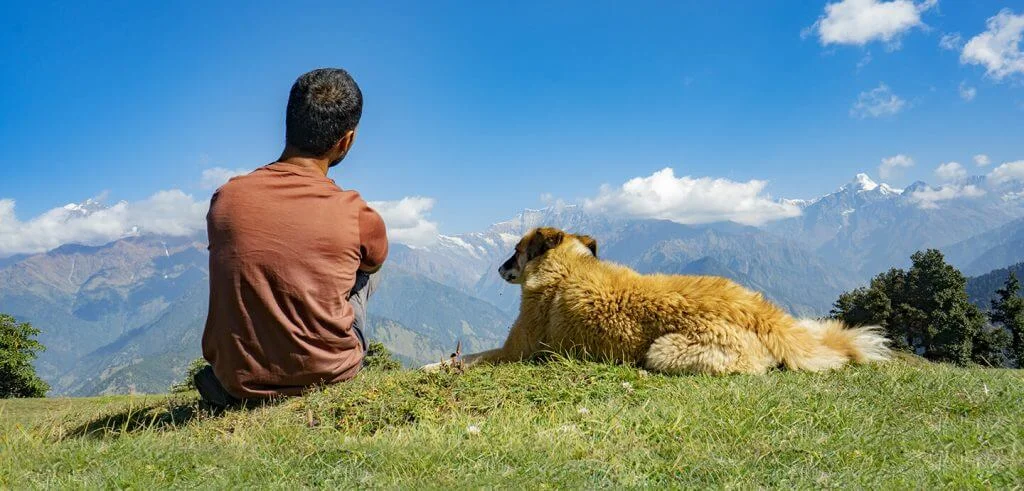
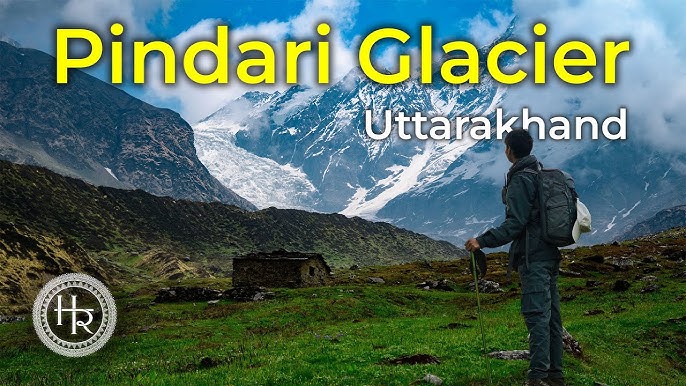
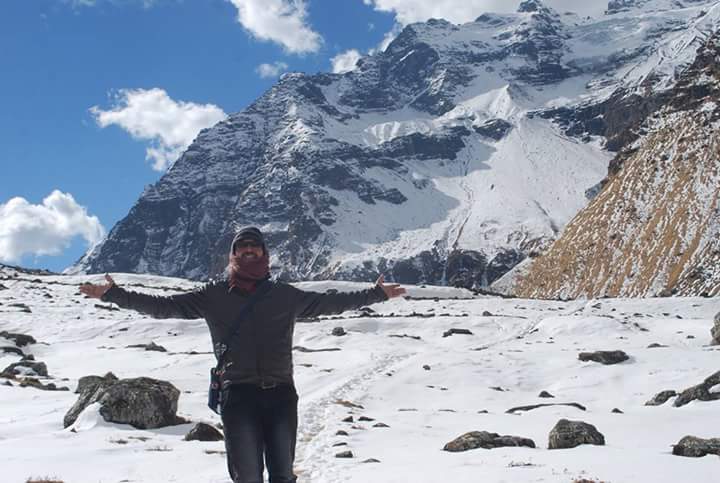
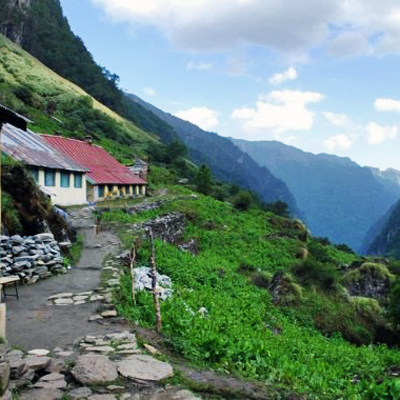
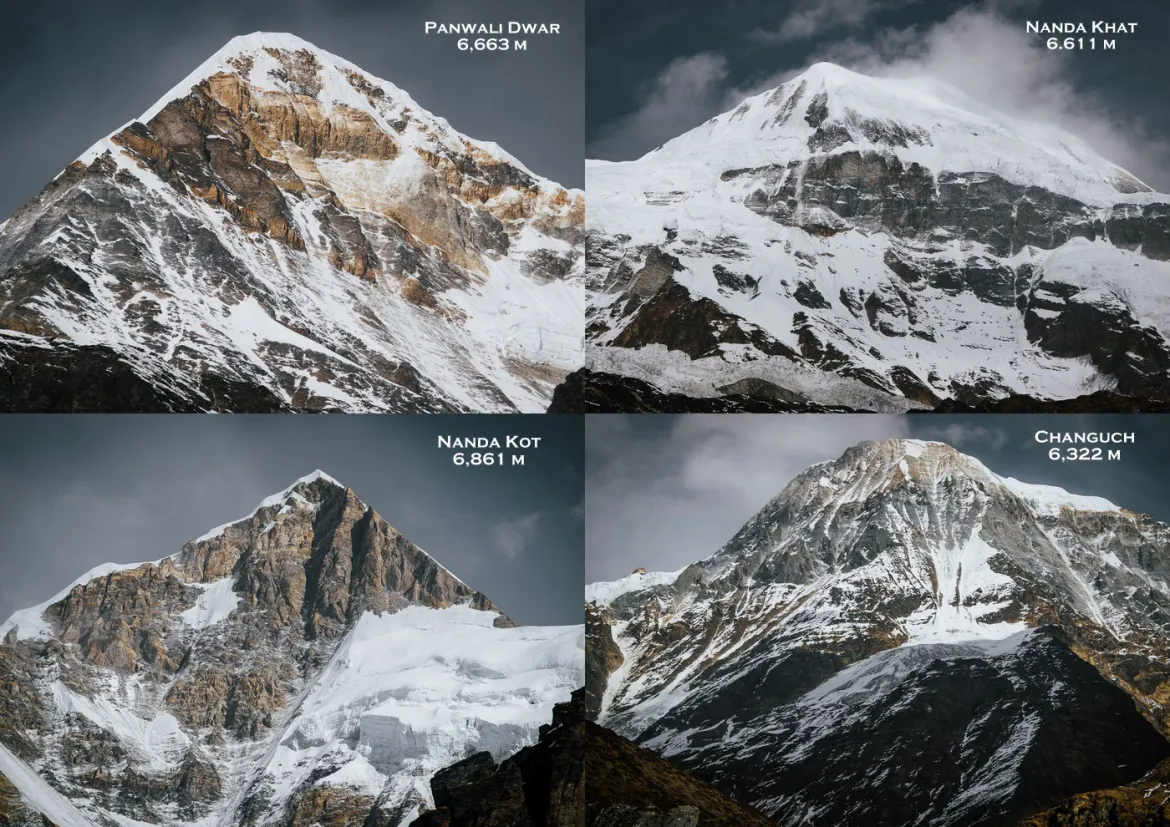
The Pindari Glacier, nestled in the Kumaon region of Uttarakhand, is a pristine and awe-inspiring destination for trekking enthusiasts. This colossal glacier is situated at an elevation of around 3,853 meters (12,300 feet) above sea level and is a major source of the Pindar River. It is a 6 days trek. The Pindari Glacier trek offers breathtaking views of snow-capped peaks, alpine meadows, dense forests, and quaint villages. The trail takes trekkers through stunning moraine fields, showcasing the rugged beauty of the glacier. Walking amidst these rocky terrains provides a sense of the glacier’s immense scale.
The trek allows you to explore the diverse flora and fauna of the region. The forests are home to a variety of Himalayan wildlife, including bharals (blue sheep), monals, and different species of birds.
Along the way, trekkers pass through remote villages inhabited by the friendly Bhotia community. This offers a chance to experience the local culture, traditions, and warm hospitality.
How to Reach Dehradun or Kathgodam
By Air:
Dehradun is well-connected by air, and Jolly Grant Airport is the nearest airport.
Several domestic airlines operate regular flights from major cities like Delhi, Mumbai, and Kolkata to Jolly Grant Airport.
While Pantnagar Airport is the nearest airport to Kathgodam, it has limited flight options.
By Train:
Dehradun has a well-connected railway station with regular trains from major cities.
Trains from cities like Delhi, Mumbai, Kolkata, and Varanasi provide convenient rail connectivity to Dehradun.
Kathgodam has its own railway station, making it easily accessible by train.
By Road:
Dehradun is accessible by road with a network of national highways.
Regular bus services operate from nearby cities, including Delhi, Haridwar, and Rishikesh.
Kathgodam is well-connected by road, and regular bus services operate from cities like Delhi, Haridwar, and Dehradun.
Private taxis or self-drive options are also available.
Best Time to Visit Pindari Glacier Trek
Summer (May to June):
Weather:- Summer is the primary trekking season for Pindari Glacier. During this time, the weather is relatively mild and pleasant. Daytime temperatures range from 10°C to 20°C, providing comfortable trekking conditions.
Accessibility:- The trekking trail is generally accessible during summer, and the snow on the trail has melted, making it easier to navigate.
Scenery:- The landscapes are vibrant with blooming flowers, lush greenery, and clear views of the surrounding mountains.
Wildlife:- This season offers the chance to spot various Himalayan flora and fauna, adding to the overall trekking experience.
Monsoon (July to September):
Caution:- Monsoon brings heavy rainfall to the region, and trekking during this period is not recommended due to slippery trails, landslides, and the risk of flash floods.
Limited Accessibility: – The trails may become challenging and risky, with the possibility of swollen rivers and difficult terrain.
Conditions:- Poor visibility and continuous rainfall can impact the overall trekking experience.
Autumn (October to November):
Weather:- Post-monsoon, the weather begins to clear up, offering crisp and cool conditions for trekking.Daytime temperatures range from 5°C to 15°C, and nights can be colder.
Festive Season:- October and November are festive months in the region, with clear skies providing stunning views of snow-capped peaks.
Post-Monsoon Scenery:- The landscapes retain their greenery, and the air is crisp, making it a favorable time for trekking.
Winter (December to April):
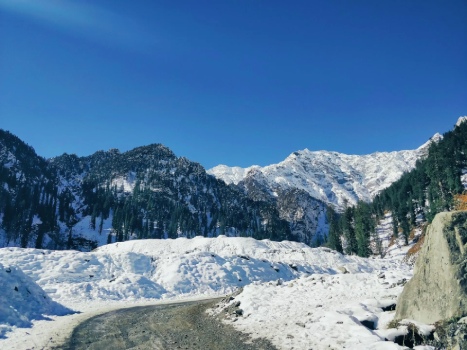
Weather:- Winter brings snowfall to the region, and the trekking trail is covered in snow.Daytime temperatures range from -5°C to 5°C, and nights can be extremely cold.
Challenges:- Trekking during winter is challenging due to the snowy conditions, and the trail may be closed in certain sections.Only experienced trekkers with proper gear may attempt the trek during this season.
Spectacular Views:- Winter offers a different perspective, with snow-clad landscapes and a serene atmosphere. However, it requires thorough preparation for the cold.
Difficulty Level of Pindari Glacier Trek :
The difficulty level of the Pindari Glacier trek is considered to be moderate. It’s a trek that is suitable for both beginners and moderately experienced trekkers. Here are some key factors contributing to the moderate difficulty level:
Terrain:
1. Moderate Terrain:
The trek involves a mix of terrains, including well-defined trails, rocky paths, and some steep ascents and descents.
Trekkers will encounter forested areas, meadows, and sections with moraines as they approach the glacier.
Altitude:
2. Moderate Altitude:
While the altitude of Pindari Glacier is relatively lower compared to some other Himalayan treks, it still involves a gradual ascent to reach altitudes of around 3,353 meters (11,000 feet) at the glacier.
Adequate acclimatization is important, especially for those not accustomed to high altitudes.
Duration:
3. Moderate Duration:
The trek typically spans about 7 to 9 days, allowing trekkers to cover a moderate distance each day.
Trekking hours can vary, and some days may involve longer hours of walking.
Weather Conditions:
4. Varied Weather:
Weather conditions can vary, and trekkers may experience a range of temperatures.
It’s essential to be prepared for both sunny days and colder nights, especially if trekking during the autumn season.
River Crossings:
5. River Crossings:
The trail includes river crossings, often facilitated by sturdy bridges. While not extremely challenging, trekkers should be comfortable with walking across these bridges.
How to Prepare for Pindari Glacier Trek
Preparing for the Pindari Glacier trek involves a combination of physical fitness, proper gear, and mental readiness. Here’s a comprehensive guide to help you prepare for the trek:
1. Physical Fitness:-
Cardiovascular Exercises:- Engage in regular cardio exercises like jogging, cycling, or brisk walking to improve stamina and endurance.
Strength Training:- Include strength training exercises, especially for the lower body, to build muscle strength for ascending and descending terrains.
2. Acclimatization:-
Spend a day or two acclimatizing at lower altitudes before starting the trek to minimize the risk of altitude-related issues.
3. Trekking Gear:-
Footwear:- Invest in good-quality trekking boots with ankle support to provide stability on varied terrains.
Clothing:- Pack layers for varying weather conditions, including a waterproof jacket and pants. Carry moisture-wicking base layers to stay dry and comfortable.
Backpack:- Use a well-fitted backpack with adjustable straps to distribute weight evenly.
4. Health Checkup:-
Undergo a health checkup before the trek to ensure you are physically fit for high-altitude trekking.
5. Altitude Sickness Medication:-
Consult a doctor and carry medications for altitude sickness, as a precautionary measure.
6. Hydration and Nutrition:-
Hydration:- Stay well-hydrated throughout the trek. Carry a reusable water bottle and drink water at regular intervals.
Nutrition:- Maintain a balanced diet with a mix of carbohydrates, proteins, and fats. Carry energy bars, nuts, and dried fruits for quick energy during the trek.
Day1 : Kathgodam/Haldwani to Khati Village Drive
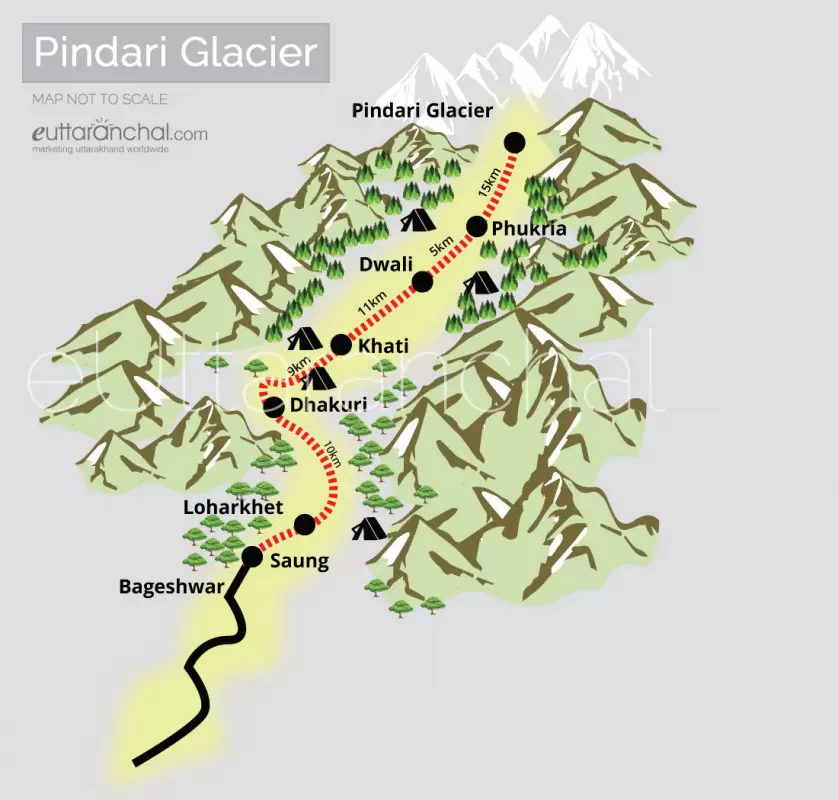
Begin your adventure with a morning pick-up from Kathgodam or Haldwani. From here, enjoy a scenic drive towards Khati Village, covering a distance of about 240 km. Along the way, we will take a short break to visit the Kainchi Dham Temple, a serene and spiritual stop that offers a moment of tranquility amidst the journey. After this brief pause, we will continue our drive towards Khati Village, reaching by evening. Upon arrival, settle into your homestay and relax. Later, the trek leader will provide a briefing about the trek ahead, preparing you for the exciting journey to come. Get ready to immerse yourself in the stunning landscapes and cultural richness of the Himalayas as we embark on this unforgettable trekking adventure.
Day2 : Khati to Dwali
Begin the trek from Khati to Dwali, covering a distance of 11 km. You can either carry a packed lunch or aim to reach Dwali for a hot lunch before 2:30 PM. The trek will take you through dense forests and along rough trails, offering breathtaking views and a true sense of adventure. Upon reaching Dwali, settle into the guest house for an overnight stay and enjoy a hearty dinner. Get some rest to prepare for the next leg of your journey towards the Pindari Glacier.
Day3 : Dwali to Phurkiya
Trek from Dwali to Phurkiya, covering a distance of 7 km. The journey includes crossing a wooden bridge over the Pindar River and a challenging 2 km steep hike along the slope. Upon reaching Phurkiya, enjoy a hot lunch and settle into the guest house for an overnight stay. Rest well and prepare for the upcoming trek to the Pindari Glacier.
Day4 : Phurkiya to Zero Point Then back
Start your trek from Phurkiya to Zero Point, covering a 5 km ascent. After reaching Zero Point and taking in the breathtaking views, return to Phurkiya for a hot lunch. Following lunch, begin your descent to Dwali, covering a distance of 12 km. In total, you will trek 17 km for the day. Upon reaching Dwali, settle in for an overnight stay. Rest and rejuvenate after this challenging yet rewarding day of trekking
Inclusions and Exclusions
Exclusions
- Free Jacket or Rucksack if Opted Offer Package
- Accommodation: Accommodation in tents or trekking huts during the trek. Accommodation in hotels or guesthouses in the starting point (e.g., Gangotri) and endpoint (e.g., Dehradun).
- Meals Include from Day 1 Dinner to Last Day Breakfast. It Will Be Mostly Vegetarian (Including Bed Tea, Breakfast, Lunch, Evening Tea, and Dinner).
- FREE Customized Printed Travel Card Worth Rs.500, Delivery to Home Address Post Trek Completion.
- Transportation: Pick-up and drop-off from a designated point (usually Dehradun) may be included. Transportation during the trek, such as to the trailhead and back.
- All tolls, taxes, parking fees, and driver's allowances are included.
Exclusions
- Anything not mentioned in the inclusions
- Any personal trekking gear (like pole, shoes, gloves, warm cap, bag, jacket etc).
- Expenses resulting from landslides, inclement weather, road closures, or other unanticipated events.
- Poter Services is excluded in package
- If the weather becomes bad or you start feeling unwell during the trip, rescue or emergency help will be arranged for your safety. However, please note that all the expenses or charges for such rescue or medical assistance will have to be paid by you.
- Any Additional Expenses: Any expenses incurred due to unforeseen circumstances or changes in the itinerary. It's crucial for trekkers to carefully review the specific inclusions and exclusions provided by their chosen trekking operator. Additionally, having a clear understanding of personal needs and preferences can help in planning and budgeting for any items not covered in the trek package
Packing List
Make sure you have everything you need
- Back Pack (65L to 75L)
- Warm clothes (5–6 layers)
- 5–6 pairs of socks
- One pair of gloves
- 1 Warm Jacket
- 1 Pair Warm Cap
- Hiking Shoes
- Raincoat or Poncho
- Toilet Papers
- Water Bottle (thermal water for the snow trek)
- Snacks like dry fruits, energy bars, candies, etc.
- Power bank or charger
- Sunscreen, lip guard, or moisturizer
- Torch
- One valid ID proof
- Tiffin Box
₹14500/Per Person
FREE Hikerce Brand Jacket
FREE Travel Card
FREE Rs.500 Voucher
50% Discount on 75L Rucksack
15% OFF on Moustache Hotels
10% Discount on Volvo Bus Booking